privacy

Meta’s Employee Mouse Tracking Program Could Reportedly Violate EU Privacy Laws
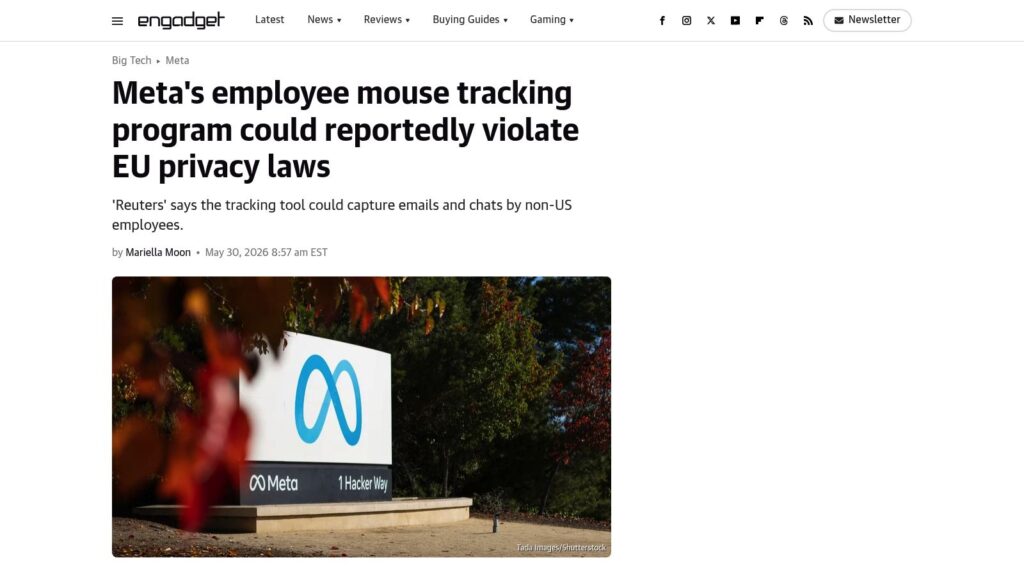
Meta’s employee mouse tracking program, called the Model Capability Initiative (MCI), could potentially violate the European Union’s GDPR privacy laws by capturing data, including emails and chats, not only of US employees but also involving non-US colleagues. While Meta claims it has mitigated privacy risks and notified affected employees, legal experts warn that even limited data collection of EU employees without proper disclosure and legal basis may breach regulations. Additionally, employees have raised concerns about the tool’s impact on their data usage and its role in training AI models that could replace them.

https://www.engadget.com/2184241/meta-mouse-tracking-employees-mci-eu-privacy-rules-gdpr/

Forget the AI Job Apocalypse. AI’s Real Threat Is Worker Control and Surveillance

The real threat of AI in the workplace is not mass job loss, but the growing divide between workers who use AI to enhance their skills and those who are increasingly controlled and surveilled by AI-driven management systems. This divide creates inequality as higher-paid employees benefit from AI assistance while lower-paid workers face intensified monitoring and pressure, raising ethical concerns about transparency, worker autonomy, and wellbeing.

https://www.theguardian.com/technology/2026/may/11/ai-worker-control-surveillance

Exclusive: Meta to Start Capturing Employee Mouse Movements, Keystrokes for AI Training Data

Meta is implementing new software to monitor U.S. employees’ mouse movements, clicks, keystrokes, and screen content to train its AI models for automating work tasks. The company asserts the data will not be used for performance reviews and is part of a broader AI workforce transformation amid planned layoffs, though experts caution this surveillance raises significant privacy concerns.

https://www.reuters.com/sustainability/boards-policy-regulation/meta-start-capturing-employee-mouse-movements-keystrokes-ai-training-data-2026-04-21/

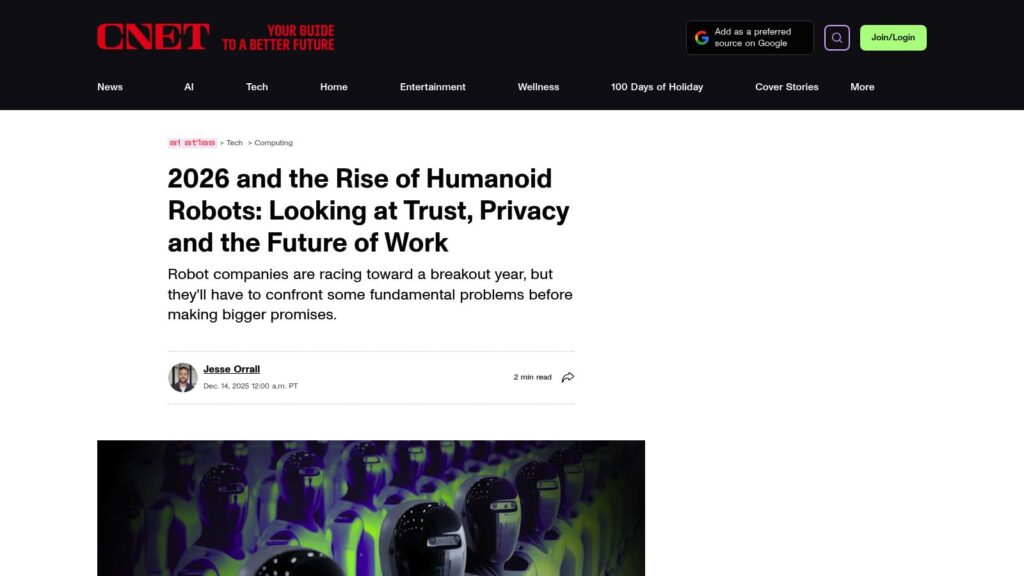
2026 and the Rise of Humanoid Robots: Looking at Trust, Privacy and the Future of Work

Humanoid robots are expected to become more prevalent in homes and workplaces in 2026, but the industry faces challenges. Safety concerns, privacy issues, and the need for human teleoperation in some cases raise questions about public acceptance. Additionally, the high cost of these robots and their potential impact on the labor market are concerns.

https://www.cnet.com/tech/computing/2026-and-the-rise-of-humanoid-robots-looking-at-trust-privacy-and-the-future-of-work/

Scroll to Top