Robot Density Surges in Europe, Asia, and Americas

The International Federation of Robotics (IFR) reports a surge in robot density worldwide, with Western Europe leading at 267 robots per 10,000 manufacturing employees in 2024, followed by North America with 204, and Asia with 131. South Korea has the highest robot density globally, while China—despite ranking 22nd by robot density—has the largest operational stock with around 2 million industrial robots, reflecting its significant manufacturing scale and rapid automation growth.

https://ifr.org/ifr-press-releases/news/robot-density-surges-in-europe-asia-and-americas

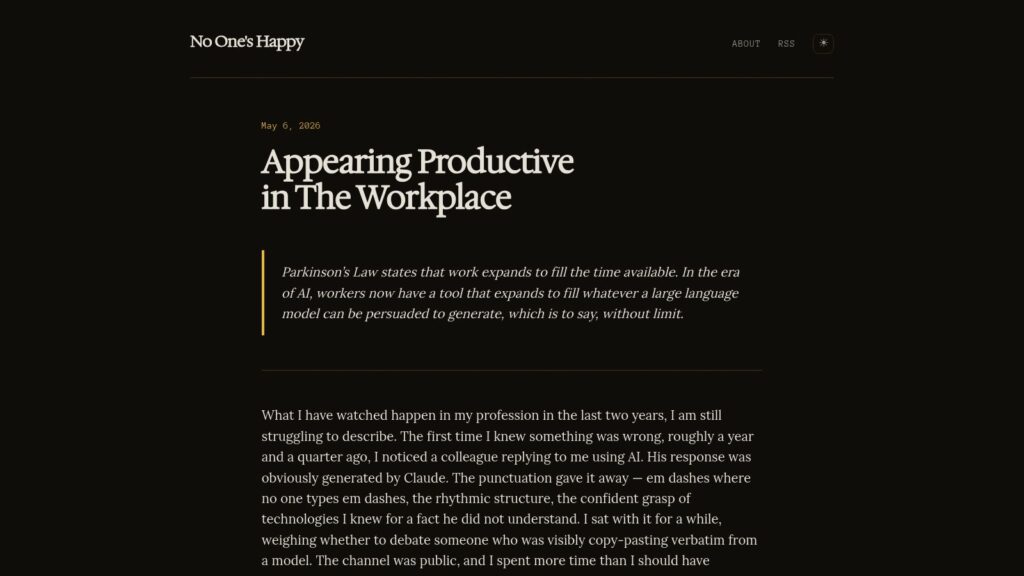
Using AI Can Add Extra Labor and Cause ‘Brain Fry’ for Workers, Experts Say: It’s Not a ‘Magic Bullet’

While AI is intended to improve workplace efficiency, many employees experience additional labor and mental fatigue, sometimes called “brain fry,” from managing and correcting AI-generated work. Experts note that AI is not a “magic bullet,” as it requires significant human oversight, learning time often outside of work hours, and can increase workload depth and cognitive strain, highlighting a need for employers to thoughtfully integrate AI to ensure sustainable productivity and employee well-being.

https://www.cnbc.com/2026/04/06/companies-are-pushing-ai-but-experts-say-it-can-add-extra-labor-cause-brain-fry.html

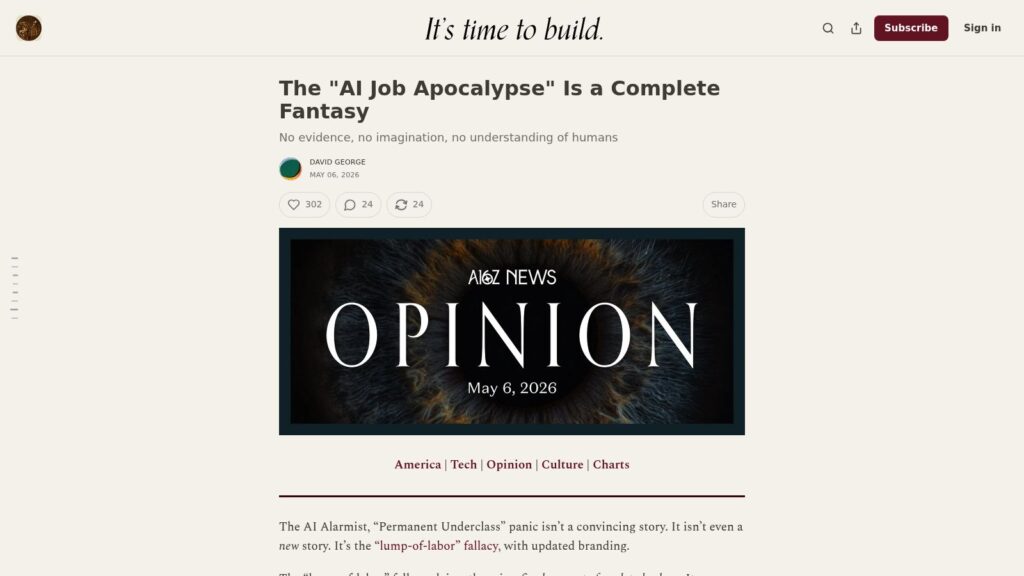
MIT Study Challenges AI Job Apocalypse Narrative

New research from MIT’s Computer Science and Artificial Intelligence Laboratory finds that AI will change the workforce gradually rather than cause sudden mass job losses, challenging narratives of an impending AI-driven job apocalypse. The study shows AI can complete about 50% of text-based tasks at a minimally acceptable level in 2024, potentially rising to 80-95% by 2029, but cautions that high-quality, error-free work remains difficult, reinforcing the ongoing need for human oversight across industries.

https://www.axios.com/2026/04/02/ai-jobs-mit-study-workforce-impact

Local Colleges Ready Students for a Workforce Laden with Artificial Intelligence

Local colleges like Nazareth University, Rochester Institute of Technology (RIT), and University of Rochester are preparing students for a workforce increasingly shaped by artificial intelligence (AI) by integrating ethical, societal, and technical aspects of AI into their curricula. Programs emphasize the human impact, risks, and interdisciplinary challenges of AI, with RIT launching a new bachelor’s degree in AI this fall and Nazareth offering multiple AI-related courses focused on ethical data science and societal implications.

https://www.wxxinews.org/local-news/2026-04-03/local-colleges-ready-students-for-a-workforce-laden-with-artificial-intelligence

How Demographics, Not AI, Will Redefine the Labour Market

The article explains that while AI is transforming work by reshaping tasks and creating new roles, it is unlikely to cause mass unemployment, especially given demographic trends of aging populations and shrinking labor forces in advanced economies. The main challenge is not job loss but effectively managing talent allocation and helping workers adapt to changes in a labor market with constrained supply, where AI can augment workforce productivity if applied thoughtfully.

https://www.weforum.org/stories/2026/04/how-ai-demographics-change-work-labour/

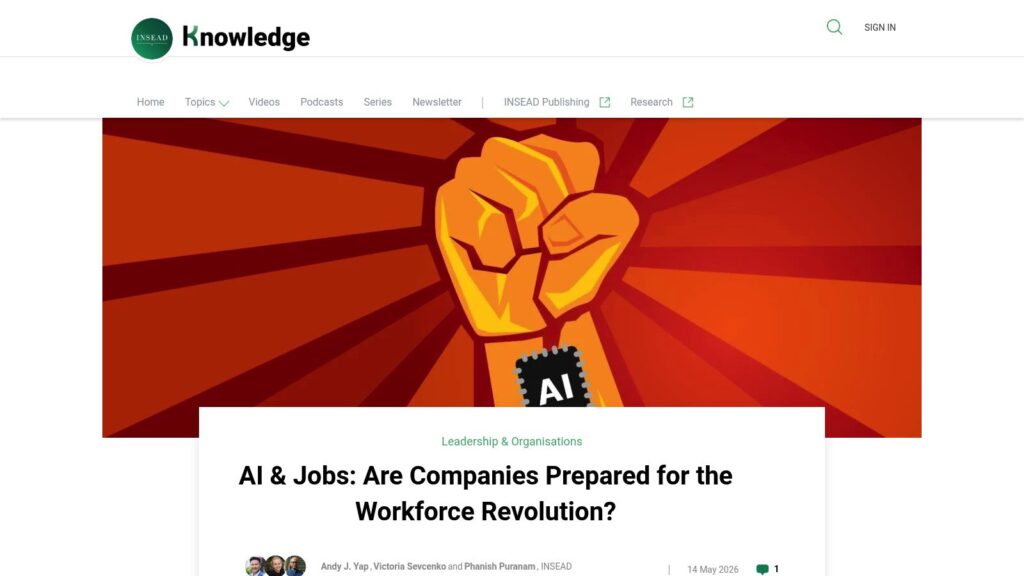
How AI Is Already Reshaping the Workforce

The article discusses how artificial intelligence (AI) is rapidly transforming the workforce by displacing entry-level jobs, reshaping industries, and prompting major global companies such as Atlassian and Block to lay off large numbers of employees even as they invest in AI technologies. Despite massive investment and technological advances, many AI pilot programs have yet to deliver significant financial benefits, and experts warn that the labor market disruptions for young workers and traditional roles are already underway, raising concerns about future employment and economic inequality.

https://www.abc.net.au/news/2026-04-07/how-ai-is-already-reshaping-the-workforce/106535204

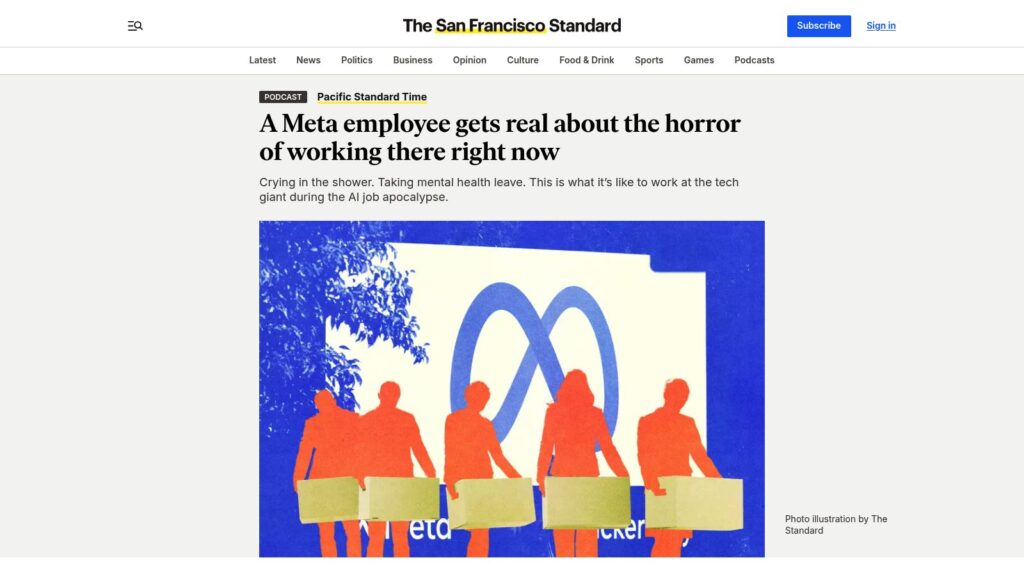
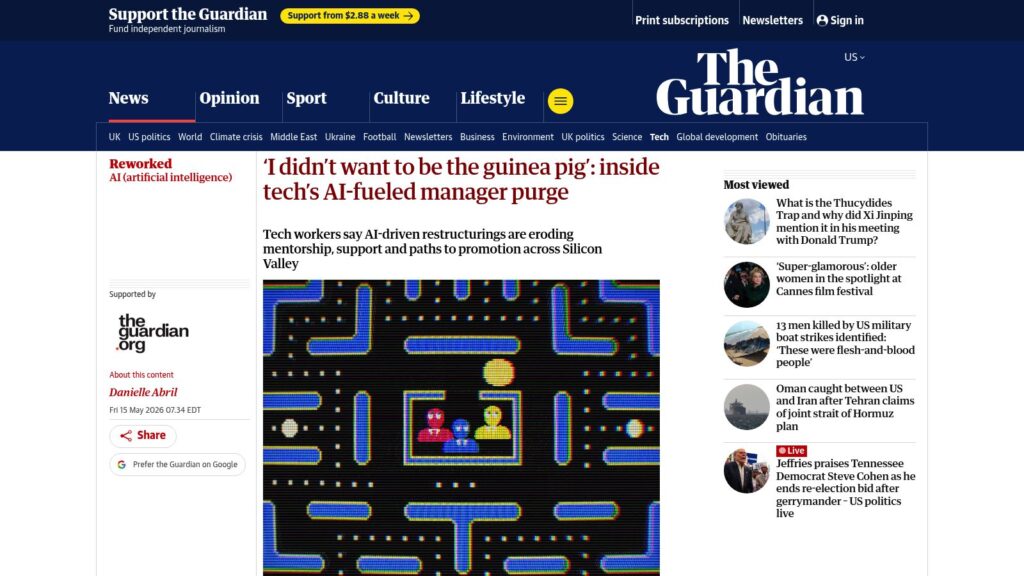
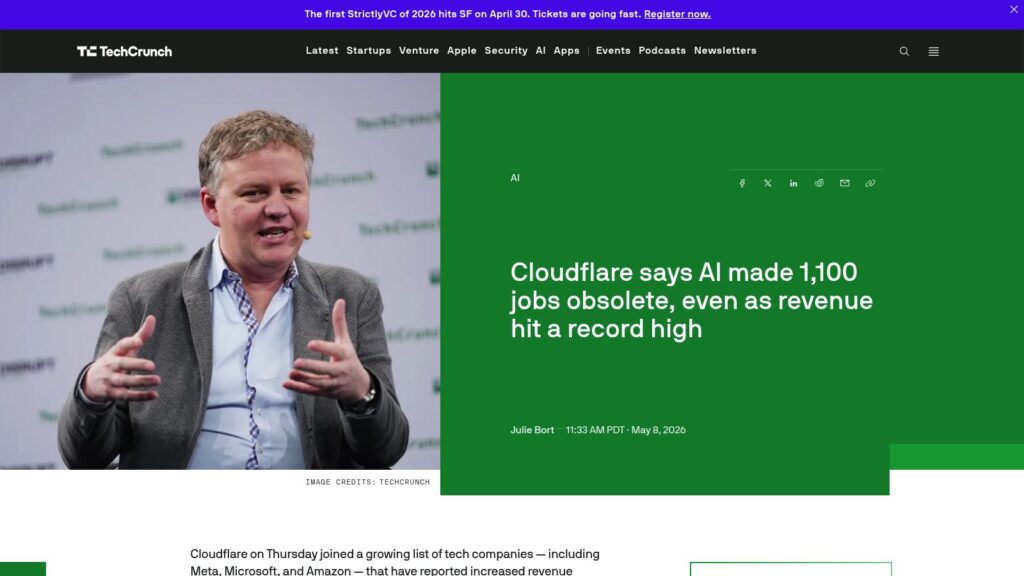
Tech Companies Are Cutting Jobs and Betting on AI. The Payoff Is Far From Guaranteed

As US tech companies significantly increase investments in artificial intelligence (AI), they have concurrently executed massive layoffs, cutting over 165,000 jobs in the past year across firms like Microsoft, Amazon, and Meta. While companies tout AI’s potential to improve productivity and transform work, experts warn that the technology is still unreliable and its true impact on jobs remains uncertain, with some layoffs possibly being financially motivated and using AI as a convenient justification. This evolving experiment is reshaping job roles but also generating anxieties about the future of tech employment and broader workforce implications.

https://www.theguardian.com/technology/2026/apr/06/tech-layoffs-ai-work

Employers Are Using Your Personal Data to Figure Out the Lowest Salary You’ll Accept

Employers are increasingly using “surveillance wages,” systems that analyze personal data—such as financial vulnerability and social media—to determine the lowest salary a worker is likely to accept, rather than basing pay on performance or seniority. This algorithm-driven wage setting is employed in various industries and can lead to discriminatory pay practices by targeting economically vulnerable workers, raising concerns among labor advocates and prompting legislative efforts to regulate such practices.

https://www.marketwatch.com/story/employers-are-using-your-personal-data-to-figure-out-the-lowest-salary-youll-accept-c2b968fb

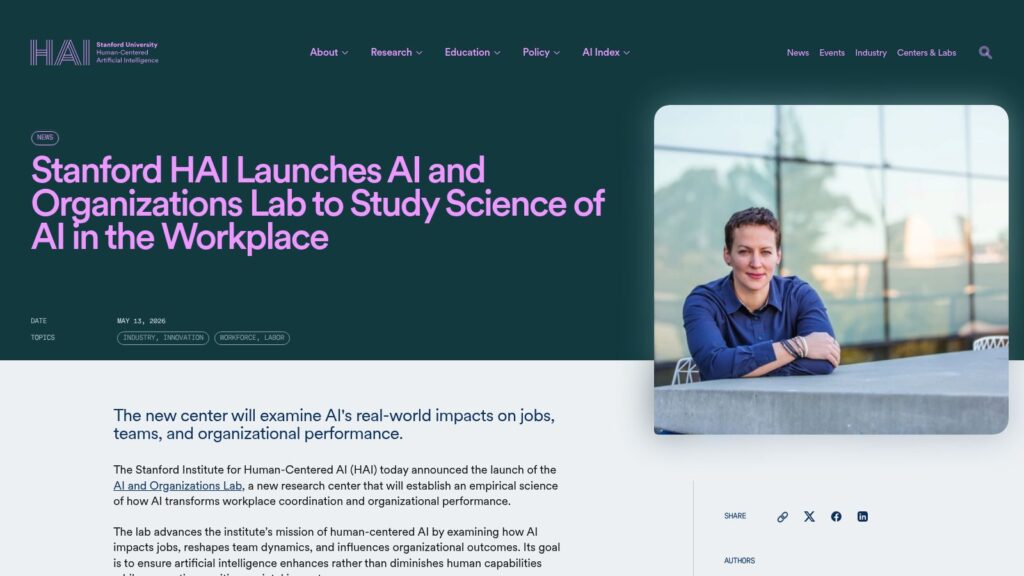
How Can Tech Workforce and AI Strategies Impact Digital Readiness?

Deloitte’s system dynamics simulation explores how cutting technology workforce without proportionate investments in data and AI modernization can harm an enterprise’s digital capability and organizational readiness. The study found that workforce reductions may slow tech modernization and reduce change adoption capacity, while advancing data and AI maturity can improve performance; however, combining layoffs with AI investments often causes short-term disruptions before stability returns. This highlights the critical balance organizations must manage between tech talent and AI initiatives to sustain agility and growth.

https://www.deloitte.com/us/en/insights/topics/technology-management/tech-workforce-ai-strategies.html

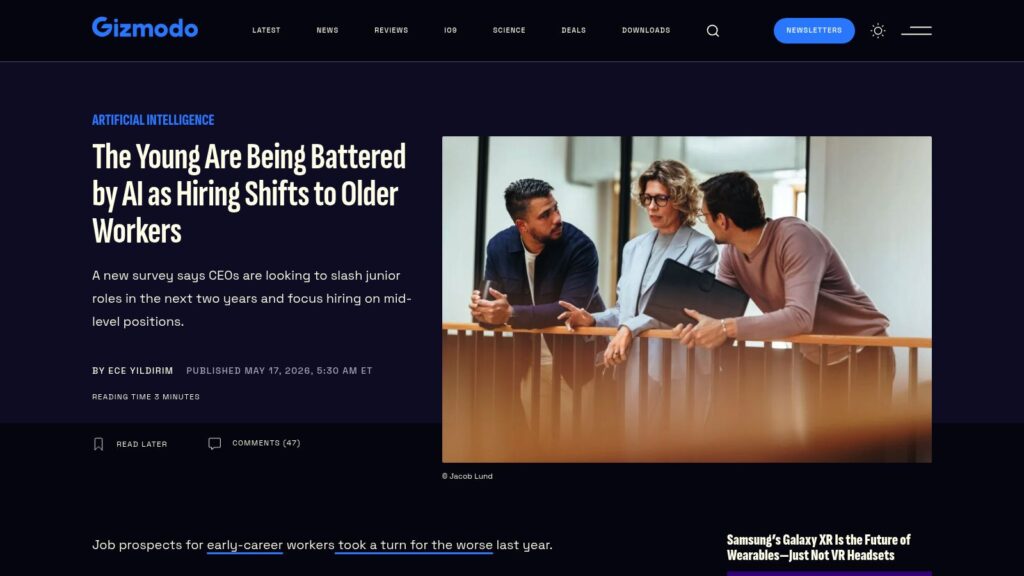
AI Is Starting to Squeeze Entry-Level Jobs in the D.C.-area

Artificial intelligence is rapidly transforming the job market in the Washington D.C. metropolitan area, with younger and entry-level workers facing the greatest risk due to automation of routine tasks. In Northern Virginia, a national hotspot for AI adoption, up to 39% of jobs—including many held by young workers—are exposed to AI-related changes, although opportunities exist for those who gain AI skills. Two recent reports highlight declining tech job postings for entry-level roles and increasing employer demand for AI literacy and soft skills, underscoring how AI is reshaping employment opportunities and required skills in the region.

https://www.axios.com/local/washington-dc/2026/04/06/ai-jobs-shift-hits-young-workers-dmv

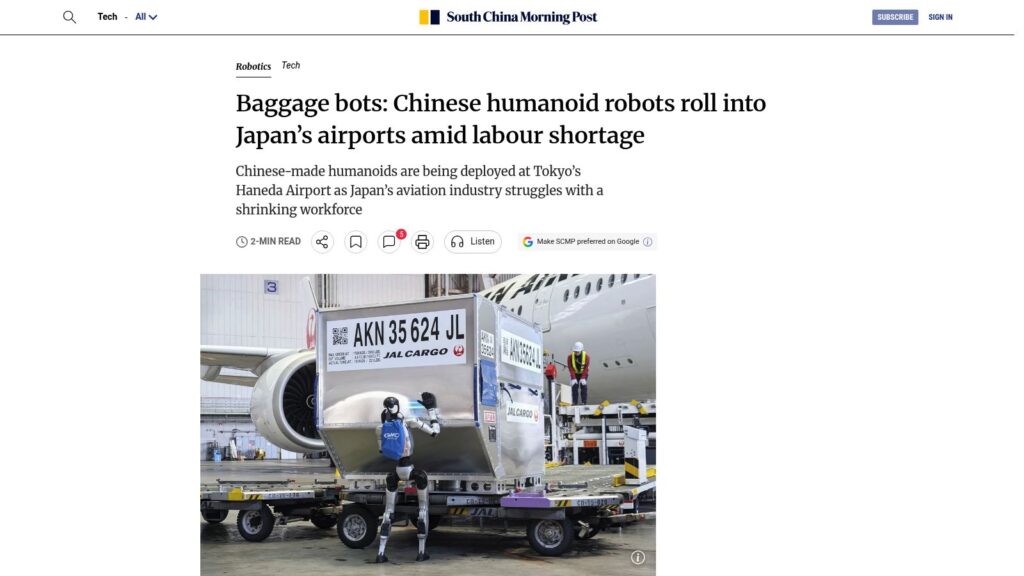
In Japan, the Robot Isn’t Coming for Your Job; It’s Filling the One Nobody Wants

Japan is rapidly advancing physical AI and robotics to address critical labor shortages caused by its declining and aging population, aiming to sustain industrial productivity and social services. Leveraging its strengths in high-precision hardware components, Japan is fostering a hybrid ecosystem where large corporations provide scale while startups drive innovation in software and system integration, supported by substantial government investment to transition from pilot projects to real-world deployments across manufacturing, logistics, and defense.

https://techcrunch.com/2026/04/05/japan-is-proving-experimental-physical-ai-is-ready-for-the-real-world/

How AI May Reshape Career Pathways to Better Jobs

The article discusses how AI is poised to disrupt not only individual jobs but also the career pathways that enable workers without four-year degrees—termed STARs—to advance to better-paying roles. It highlights that nearly 11 million STARs occupy “Gateway” jobs critical for upward mobility, many of which are highly exposed to AI, potentially threatening these established pathways, particularly in administrative and clerical roles in regions like the Northeast and Sun Belt. The authors emphasize the importance of regional, coordinated workforce strategies to ensure AI strengthens rather than weakens economic mobility for these workers.

https://www.brookings.edu/articles/how-ai-may-reshape-career-pathways-to-better-jobs/

Jamie Dimon Says “Life Will Be Better” with AI, but Notes Risks for Workers

JPMorgan CEO Jamie Dimon believes artificial intelligence will significantly improve quality of life, predicting shorter work weeks of three and a half days and breakthroughs such as cures for cancer. However, he also warned that AI could disrupt the labor market, emphasizing the need for public-private partnerships to retrain and redeploy workers to new sectors as the economy adapts.

https://www.cbsnews.com/news/jamie-dimon-artificial-intelligence-work-week/

Big Tech Promised AI Would Disrupt Labor — Just Not Like This

Tech giants like Oracle, Microsoft, Amazon, and Meta are cutting thousands of jobs while heavily investing in AI data centers, reflecting a costly pivot to AI ambitions rather than direct AI-driven workforce reductions. These layoffs are linked more to financial pressures from overexpansion and debt incurred to build AI infrastructure than to AI replacing jobs at scale, as the technology has yet to fulfill its disruptive labor market potential.

https://edition.cnn.com/2026/03/31/business/ai-jobs-big-tech

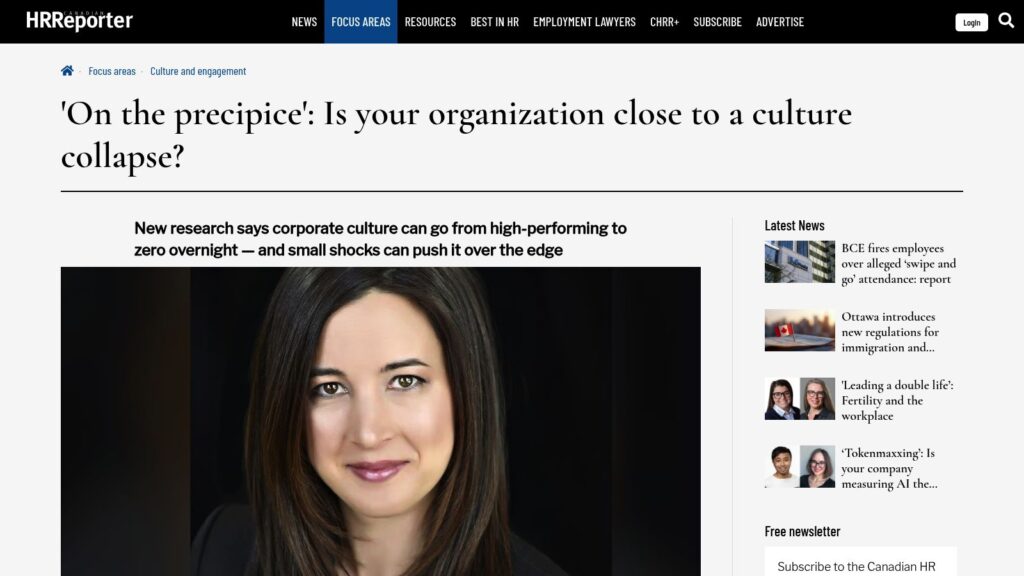
GDPR for HR | March 2026

The article discusses the significant data protection challenges faced by HR in handling internal investigations, data subject access requests (DSARs), and the use of AI, highlighting that data protection considerations should be integrated from the outset of investigations. It also addresses regulatory scrutiny on AI in recruitment, the rise in tactical DSAR use in employment disputes, and clarifies obligations regarding deleted data and recipients under recent EU court rulings, providing practical guidance for UK employers to ensure compliance amid evolving legal frameworks.

https://www.osborneclarke.com/insights/gdpr-hr-march-2026

Scroll to Top