AI Adoption Demands Workforce Resilience
AI is rapidly changing the workplace, and HR leaders face the challenge of ensuring employees adapt with resilience. By framing AI as a partner that enhances work rather than threatens jobs, organizations can foster a culture of adaptability. Effective communication, institutionalizing resilience as a competency, and encouraging experimentation through small wins are essential strategies. Resilience becomes crucial as AI integrates into all workflows, enabling organizations to navigate and leverage change successfully.

https://hrdailyadvisor.com/2025/12/19/ai-adoption-demands-workforce-resilience/
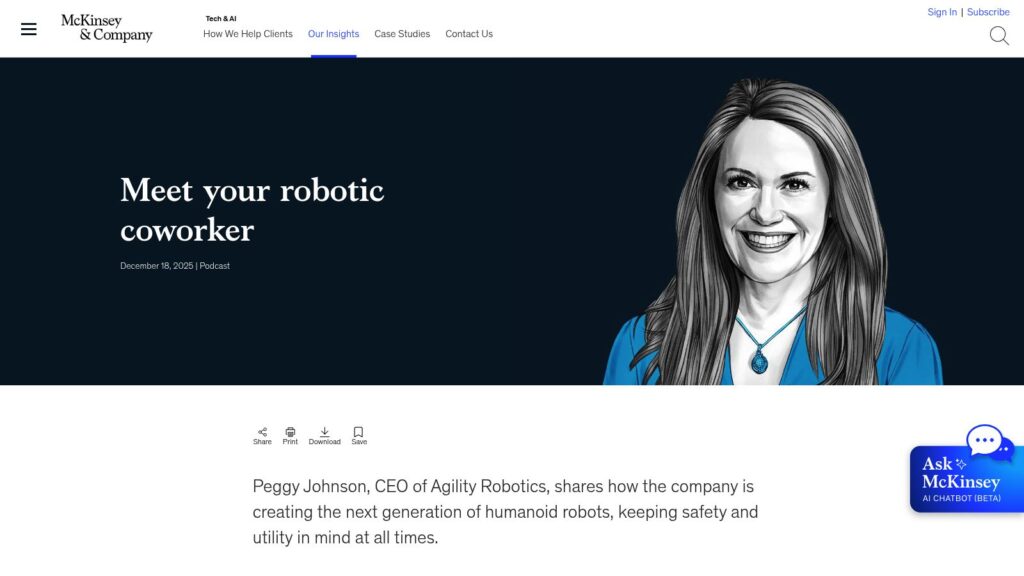
Meet Your Robotic Coworker

Agility Robotics CEO Peggy Johnson discusses the development of humanoid robots like Digit, designed to assist human workers in various industries, particularly in repetitive and labor-intensive tasks. The latest version, Digit 4.0, features advancements such as longer battery life and self-charging capabilities. Johnson emphasizes that these robots enhance workplace safety and efficiency rather than replacing human jobs, fostering new roles for workers. She highlights the importance of human-centric design in robotics and the need for cooperative safety measures in human-robot interactions to build trust in the workplace.

https://www.mckinsey.com/capabilities/tech-and-ai/our-insights/meet-your-robotic-coworker

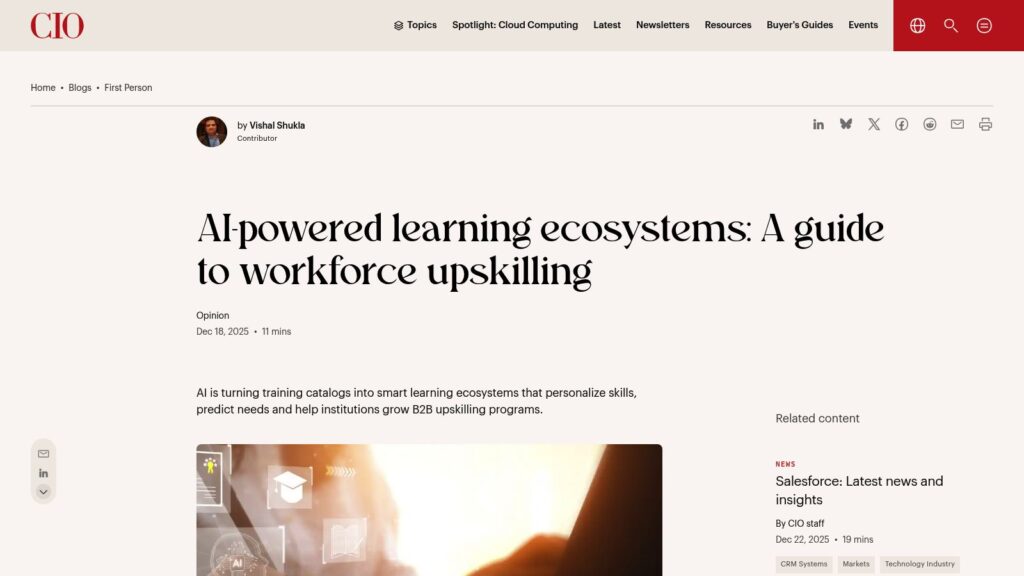
AI-powered Learning Ecosystems: a Guide to Workforce Upskilling

The article emphasizes transforming traditional training into AI-powered, personalized learning ecosystems, with a focus on B2B upskilling partnerships and adaptive learning. This new approach leverages unified data, modular designs, and AI capabilities for better learner outcomes, emphasizing the importance of strategic technology and governance in educational environments. The article underlines the role of CIOs in leading this transformation towards adaptive and inclusive learning experiences.

https://www.cio.com/article/4108064/ai-powered-learning-ecosystems-a-guide-to-workforce-upskilling.html

Gallup Report Sees Uneven Growth in Workplace AI Use

TLDR: A Gallup report reveals U.S. workplace AI use grew from 40% to 45% in 2025, with frequent use increasing from 19% to 23%. Awareness of organizations adopting AI is uneven, with 37% of employees acknowledging implementation. AI is mainly used in knowledge roles, and applications include information consolidation and idea generation. Managerial support is crucial for broader AI adoption.

https://www.hrgrapevine.com/us/content/article/2025-12-16-gallup-report-sees-uneven-growth-in-workplace-ai-use

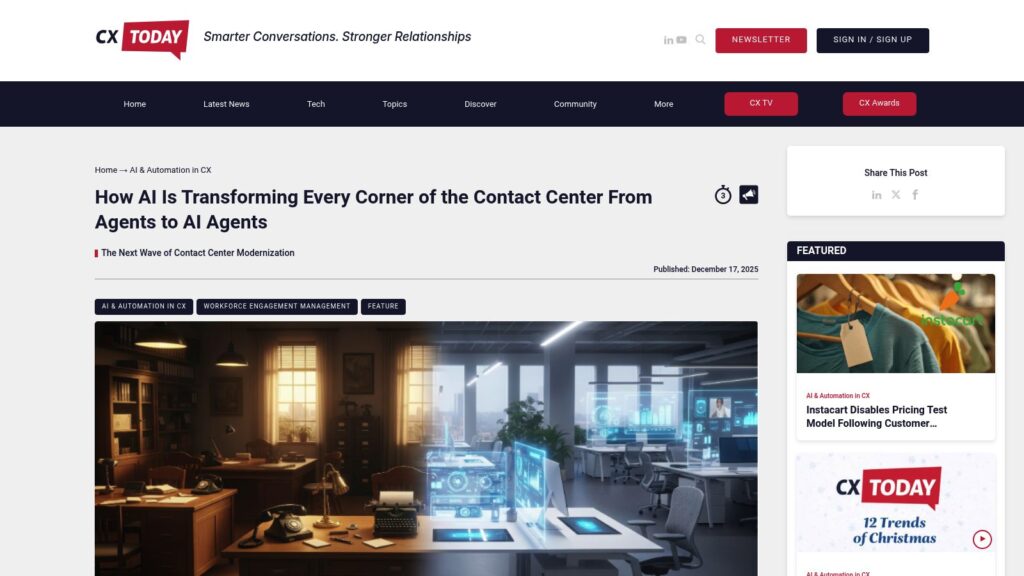
How AI Is Transforming Every Corner of the Contact Center From Agents to AI Agents

AI is revolutionizing contact centers, transforming roles: agents become AI co-pilots, supervisors evolve into intelligent coaches, and analysts turn strategic visionaries. This shift to “agentic AI” enhances human capabilities, fostering proactive, empathetic interactions. AI integrates across systems, predicting issues, thus enhancing operational efficiency without replacing human empathy. Future contact centers will anticipate customer needs, facilitated by technologies like RingCentral’s RingCX. Overall, the collaboration between AI and humans promises a more effective and nuanced contact center experience.

https://www.cxtoday.com/workforce-engagement-management/how-ai-is-transforming-every-corner-of-the-contact-center-from-agents-to-ai-agents-ringcentral-cs-0011/

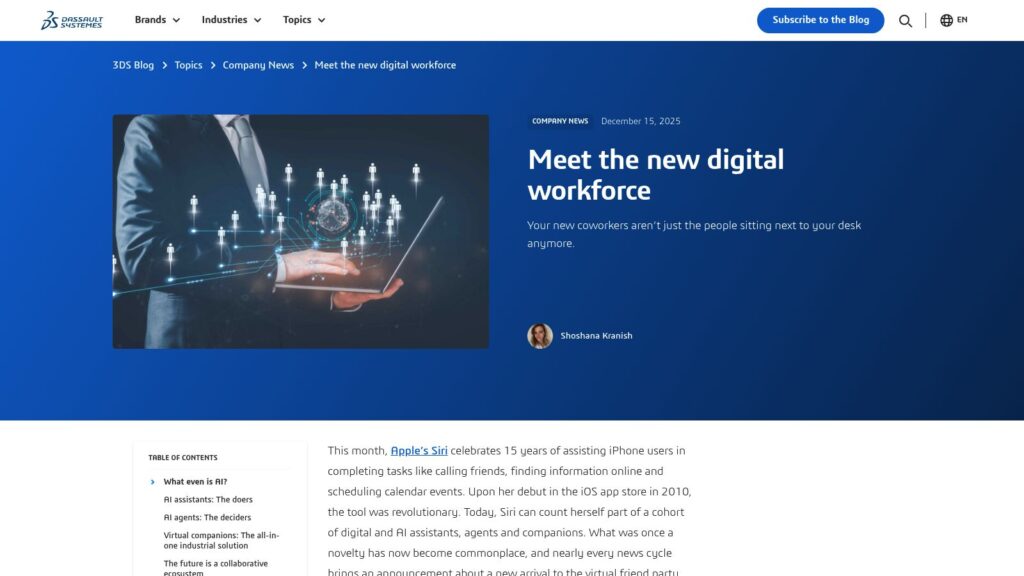
Meet the New Digital Workforce

AI assistants are evolving into a digital workforce, encompassing task-oriented assistants (like Siri), autonomous agents that make decisions, and virtual companions designed for complex industrial tasks. This transformation improves productivity, allows workers to focus on innovation, and enhances operational efficiency in various industries. The future of work will increasingly rely on these intelligent digital partners.

https://blog.3ds.com/topics/company-news/meet-the-new-digital-workforce/

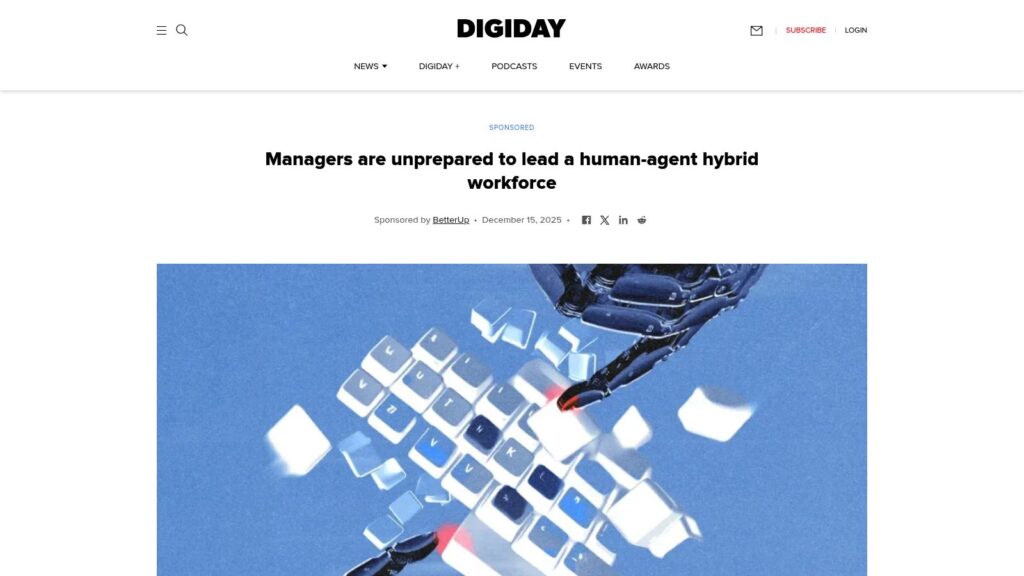
Managers Are Unprepared to Lead a Human-agent Hybrid Workforce

Managers struggle to lead hybrid teams with AI agents, which complicates traditional management roles. As AI adoption rises, employees shift from execution to orchestration, requiring new leadership strategies. Leaders must balance agent skills with domain expertise, maintain collaboration, and pivot career development towards strategic thinking. Managers face identity challenges as technical skills become accessible, and they must adapt their approach to leadership amidst evolving work dynamics. Successful navigation of this transition is crucial for organizational efficiency and culture.

https://digiday.com/sponsored/managers-are-unprepared-to-lead-a-human-agent-hybrid-workforce/

Employees Who Use GenAI the Most See the Biggest Impact

PwC’s Global Workforce Hopes and Fears Survey 2025 reveals that frequent users of GenAI tools experience the most significant positive impact on productivity and work quality. To maximize AI’s potential, companies should address employee concerns through transparency, build trust in the technology, create a clear vision for the future, and invest in upskilling programs.

https://www.pwc.com/gx/en/issues/c-suite-insights/the-leadership-agenda/hopes-and-fears.html

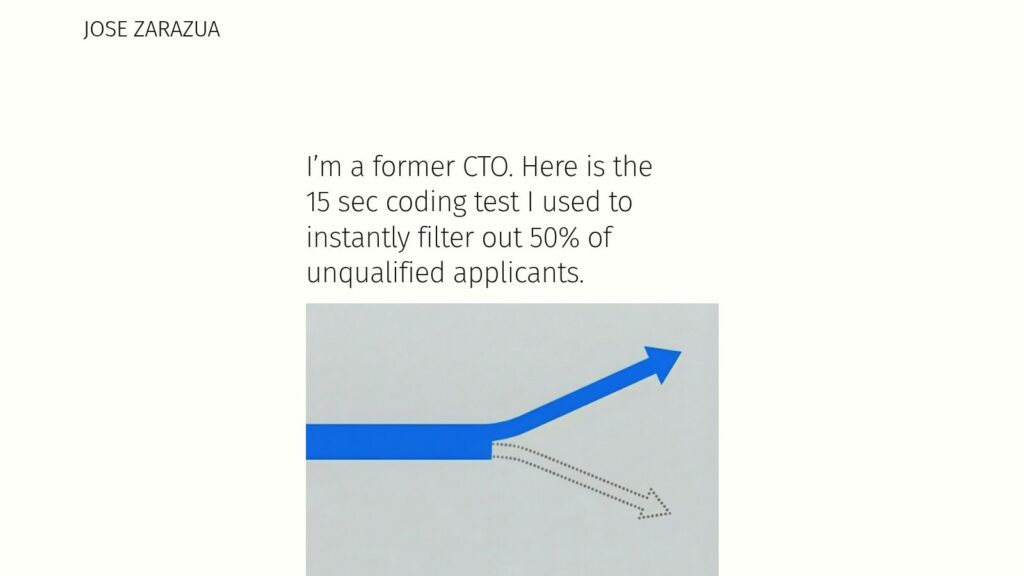
I’m a Former CTO. Here Is the 15 Sec Coding Test I Used to Instantly Filter Out 50% of Unqualified Applicants.

Former CTO Jose Zarazua shares a simple coding test to filter out unqualified applicants in recruitment. The test involves a code snippet that many will answer incorrectly if they copy-paste rather than think through, allowing a quick assessment of programming skills. This method helped identify 50% of candidates using AI/Interpreter answers and revealed that only 3% answered incorrectly, effectively streamlining the hiring process.

https://josezarazua.com/im-a-former-cto-here-is-the-15-sec-coding-test-i-used-to-instantly-filter-out-50-of-unqualified-applicants/

Beyond the Inflection Point: The New Forces Shaping the Transformation of Work

Rapid workplace changes, influenced by demographic shifts, deglobalization, and AI, necessitate proactive leadership and a reevaluation of skills and employment structures. There’s a significant skills scarcity as multiple generations work, yet roles remain unfilled despite automation. AI transforms job requirements, necessitating continuous reskilling. Entry-level job prospects for Gen Z decline due to automation, economic changes, and an oversupply of graduates, highlighting a mismatch between education and job market demands. Stronger connections between education and the labor market are essential to ensure students are prepared for evolving roles, promoting inclusive growth through proactive leadership and effective policy.

https://www.weforum.org/stories/2025/12/work-transformation-skills-agility-growth/

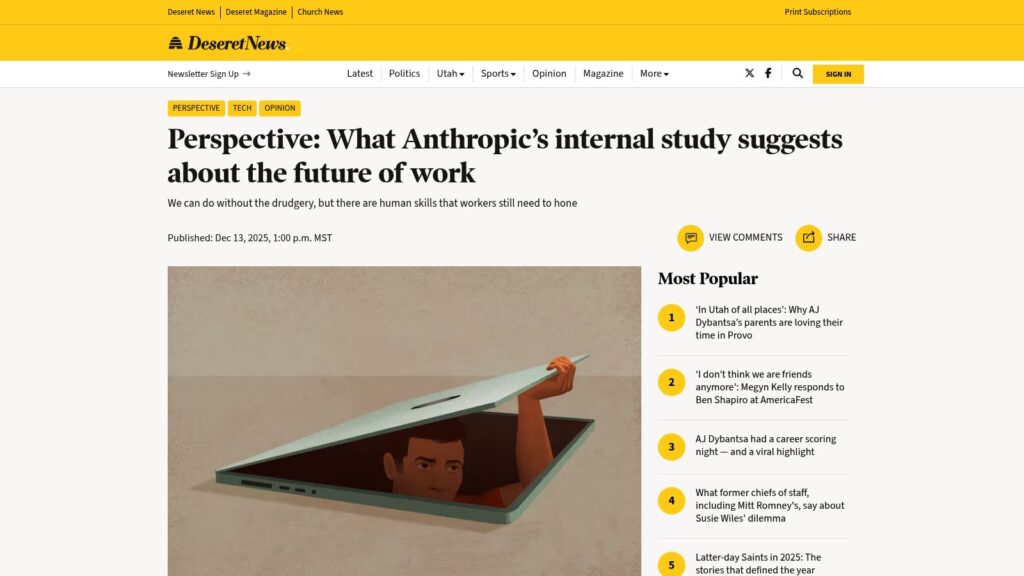
Perspective: What Anthropic’s Internal Study Suggests About the Future of Work

AI boosts productivity (20%-50% gains) but may atrophy essential human skills, prompting concerns about skill loss among workers, such as engineers. As AI takes over tasks, human roles shift from execution to judgment, necessitating ongoing skill retention and training. The challenge is maintaining vital skills while adapting to increasingly automated workplaces.

https://www.deseret.com/opinion/2025/12/13/future-of-work-ai-anthropic-study/

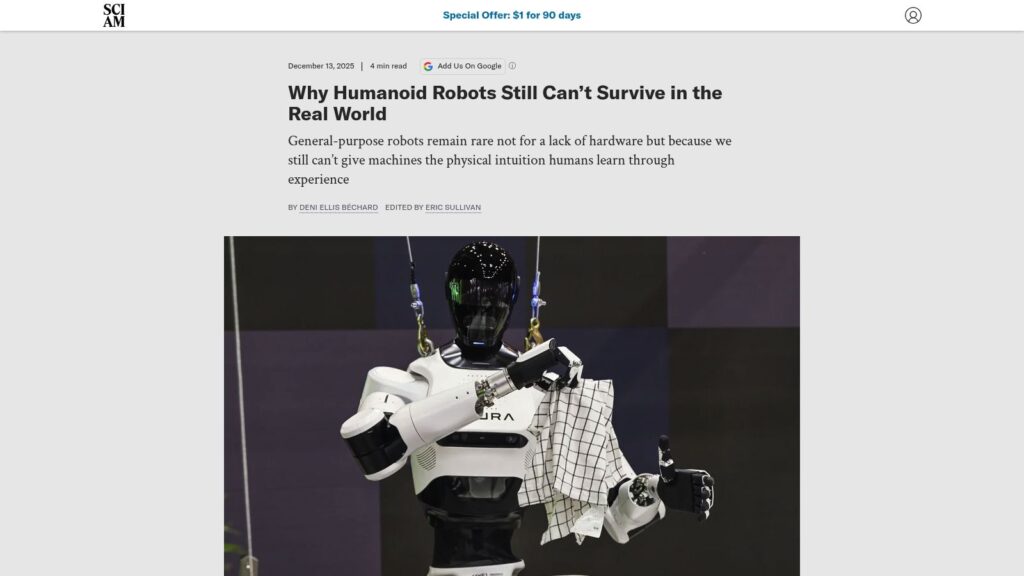
Why Humanoid Robots and Embodied AI Still Struggle in the Real World

Humanoid robots struggle in real-world situations due to a lack of physical intuition and embodied knowledge, unlike humans who learn from extensive real-life experiences. Despite advancements, these robots can’t perform everyday tasks like chores effectively, as they are limited by factors like uneven surfaces and complex movements. Current robot designs excel in controlled environments, but general-purpose humanoids remain elusive. Robotics researchers are exploring techniques like human demonstration and simulation, yet challenges persist, leaving humanoids in developmental stages with uncertain timelines for practical deployment.

https://www.scientificamerican.com/article/why-humanoid-robots-and-embodied-ai-still-struggle-in-the-real-world/

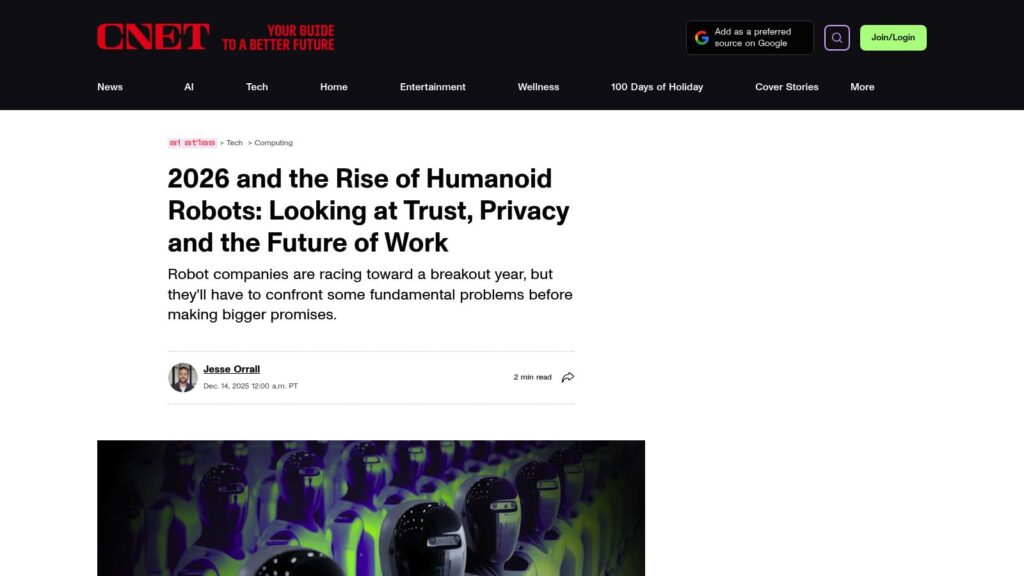
2026 and the Rise of Humanoid Robots: Looking at Trust, Privacy and the Future of Work

Humanoid robots are expected to become more prevalent in homes and workplaces in 2026, but the industry faces challenges. Safety concerns, privacy issues, and the need for human teleoperation in some cases raise questions about public acceptance. Additionally, the high cost of these robots and their potential impact on the labor market are concerns.

https://www.cnet.com/tech/computing/2026-and-the-rise-of-humanoid-robots-looking-at-trust-privacy-and-the-future-of-work/

AI Is Changing How We Learn at Work

AI is transforming work, but its impact on human learning and development is uncertain. Leaders are concerned that AI might disrupt traditional pathways to mastery, overwhelm with excessive content, diminish opportunities to develop empathy, and erode personal choice and agency. To ensure AI enhances rather than hinders human growth, leaders must engage in “sense-making conversations” to explore these challenges and design AI-enabled systems that prioritize human development.

https://hbr.org/2025/12/ai-is-changing-how-we-learn-at-work

Scroll to Top