How to Build Forward-thinking Cybersecurity Teams for Tomorrow

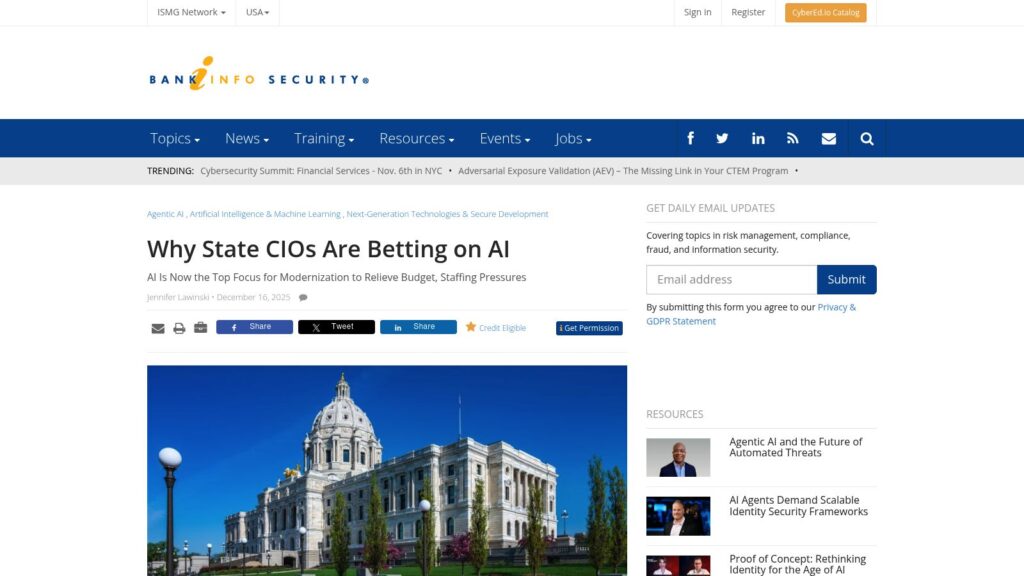
Microsoft’s security strategy emphasizes the need for adaptive, innovative teams in the evolving landscape of AI-powered cyber threats. Traditional cybersecurity roles must evolve beyond technical expertise to include critical thinking and diverse skill sets. Organizations should rethink recruitment practices, onboarding processes, and continuous training to build resilient teams equipped to tackle sophisticated threats. Emphasizing cognitive diversity and collaboration will enhance defenses against AI-driven attacks, as the next major cyber breach could stem from inadequate talent adaptation to this new era. Future-proofing cybersecurity talent is crucial for organizational success.

https://www.microsoft.com/en-us/security/blog/2025/12/02/how-to-build-forward-thinking-cybersecurity-teams-for-tomorrow/

AI Adoption Drives Warehouse Workforce Expansion

AI adoption in logistics boosts warehouse workforce and productivity, report by Mecalux and MIT reveals. Over 50% of logistics leaders expanded workforce, with AI seen as a core productivity driver. 90% utilize AI, allocating 11%-30% of tech budgets, planning increases. Challenges include expertise and costs, but benefits include faster, smoother operations with a payback period of 2-3 years.

https://www.supplychainbrain.com/articles/42919-ai-adoption-drives-warehouse-workforce-expansion

The New Jobs AI Is Creating for the Workforce

AI is creating new jobs like decision designer and AI experience officer that focus on human-AI collaboration, blending technical skills with psychology and ethics. As AI adoption matures, companies are shifting from retrofitting existing roles to creating uniquely AI-focused positions to ensure effective collaboration and ethical implementation, while maintaining human oversight in decision-making processes.

https://www.businessinsider.com/new-jobs-ai-creates-workforce-decision-designer-experience-officer-2025-12

78% of IT Job Postings Already Require AI Skills

IT job markets increasingly require AI skills, with 78% of postings demanding them. As AI reshapes roles, reskilling is critical, and soft skills gain importance. By 2030, AI proficiency may be as essential as PC skills today, highlighting the need for adaptability and new competencies. Concerns about rising automation and job displacement persist, yet opportunities for younger talent are expected to grow. Companies must rethink entry-level roles amidst these changes.

https://www.cio.com/article/4094687/without-ai-the-it-job-market-would-hardly-be-possible-anymore.html

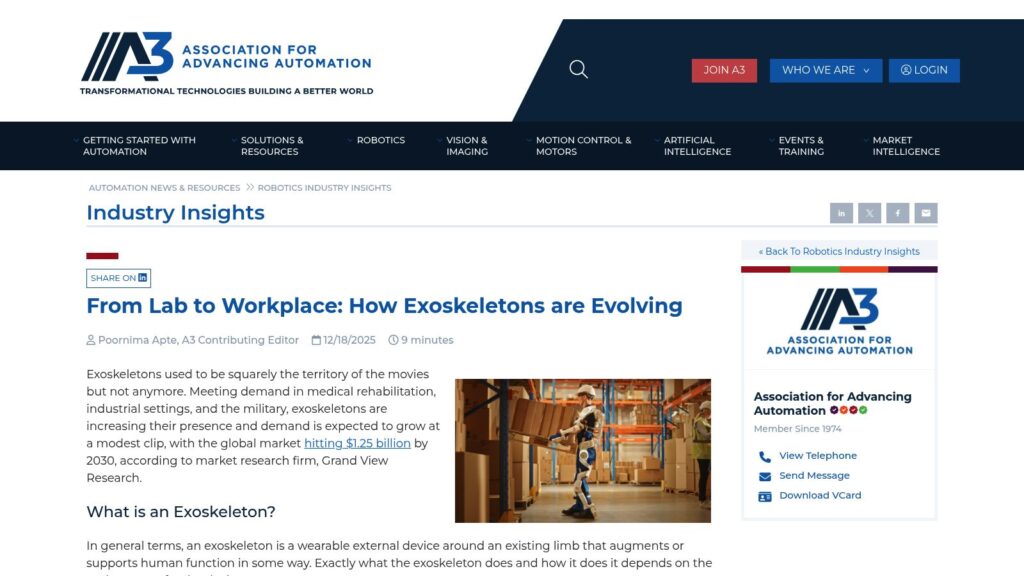
Retraining Workers for the Age of AI

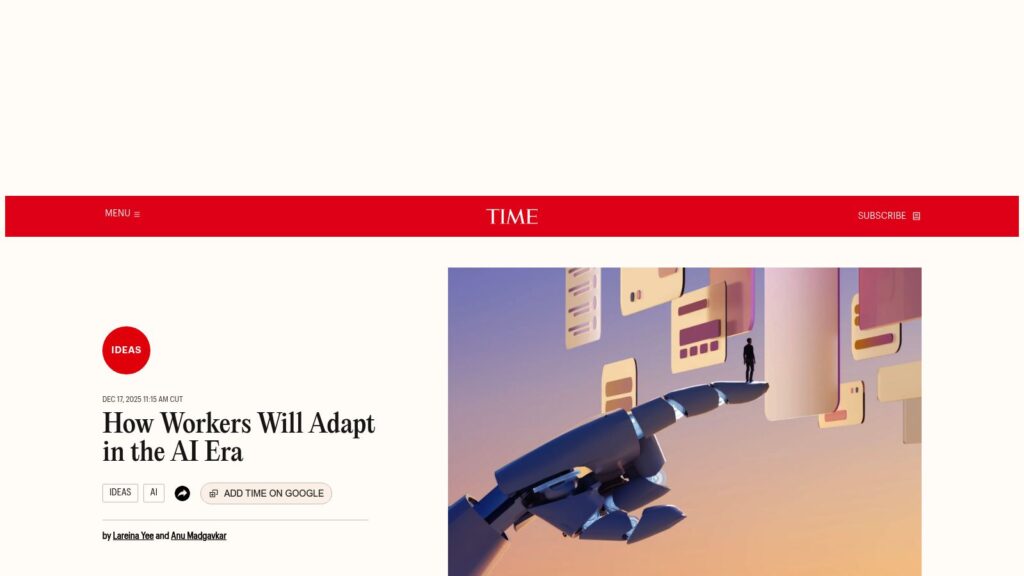
AI tool usage among workers is rising sharply, leading to workplace stress and pressure to adapt. The U.S. lacks sufficient funding for workforce development to retrain displaced workers due to technology changes, which affects long-term outcomes for individuals and communities. Training must target new “frontier” jobs, evolving “retooled” roles, and support for “legacy” jobs while considering the aging workforce. AI can enhance learning opportunities, but individual support is vital, especially for those in the gig economy. Lastly, increased awareness of job vulnerability due to AI may foster empathy for affected workers.

https://www.nationalacademies.org/news/retraining-workers-for-the-age-of-ai

When Hackers Wear Suits: Protecting Your Team From Insider Cyber Threats

Threat: Hackers impersonate IT professionals to gain insider access in organizations, leading to data theft and financial fraud. They use deepfakes, fabricated identities, and social engineering to secure jobs.

Defenses: Implement advanced HR checks, multi-factor authentication, and continuous security training to prevent breaches from insider threats. Stay vigilant against insider impersonation signs, especially in remote hiring. Cybersecurity is critical; a breach can have catastrophic consequences.

https://www.bleepingcomputer.com/news/security/when-hackers-wear-suits-protecting-your-team-from-insider-cyber-threats/

The AI Advantage: How Intelligent Learning Solutions Are Rewriting Workforce Productivity in 2025 and Beyond

AI transforms workforce productivity in 2025 via personalized learning ecosystems. It enhances skill development with adaptive learning, generative content creation, and predictive analytics, moving away from traditional training methods. Benefits include faster skill acquisition, better retention, and improved productivity. AI democratizes learning, empowers employees, and aligns workforce capabilities with business strategies. The future of work relies on organizations embracing AI-driven learning as a continually evolving system for competitive advantage.

https://etedge-insights.com/technology/artificial-intelligence/the-ai-advantage-how-intelligent-learning-solutions-are-rewriting-workforce-productivity-in-2025-and-beyond/amp/

Your Workers Probably Distrust AI More Than You Do, This Study Says

Workers distrust AI more than managers; many prefer human involvement in hiring and performance evaluations. A report reveals 74% believe AI use harms perceptions of companies, while just 27% trust employers to use AI responsibly. Despite interest in AI skills, lack of guidance from employers breeds uncertainty. Overall, workers favor transparency and human oversight in AI applications impacting careers.

https://www.inc.com/kit-eaton/your-workers-probably-distrust-ai-more-than-you-do-this-study-says/91270982

AI Is Taking the Lead: Now Managers Must Make People More Valuable, Not Replaceable

AI’s integration demands leaders emphasize human value over replaceability. Employees use AI to enhance productivity and prefer its logical approach in management. However, they still value human leaders for emotional intelligence, urging a balance of AI for fairness and humans for inspiration.

https://www.hcamag.com/us/specialization/hr-technology/ai-is-taking-the-lead-now-managers-must-make-people-more-valuable-not-replaceable/558323

AI and the Cybersecurity Skills Gap: a Double-edged Sword for National Security

AI boosts cybersecurity by addressing workforce shortages but risks worsening the issue by creating new skill demands. The global skills gap is growing, with millions of unfilled positions, leading to heightened vulnerabilities in national security. While AI can improve efficiency and support talent development, it also complicates workforce planning as skill requirements evolve. Organizations should develop clear AI strategies, prioritize transferable skills, invest in continuous learning, diversify recruitment, and implement robust governance to leverage AI effectively while securing national interests.

https://www.acronis.com/en/blog/posts/ai-and-the-cybersecurity-skills-gap-a-double-edged-sword-for-national-security/

The Iron Workforce: How Beijing Is Betting Its Economic Survival on the World’s Most Aggressive Automation Drive

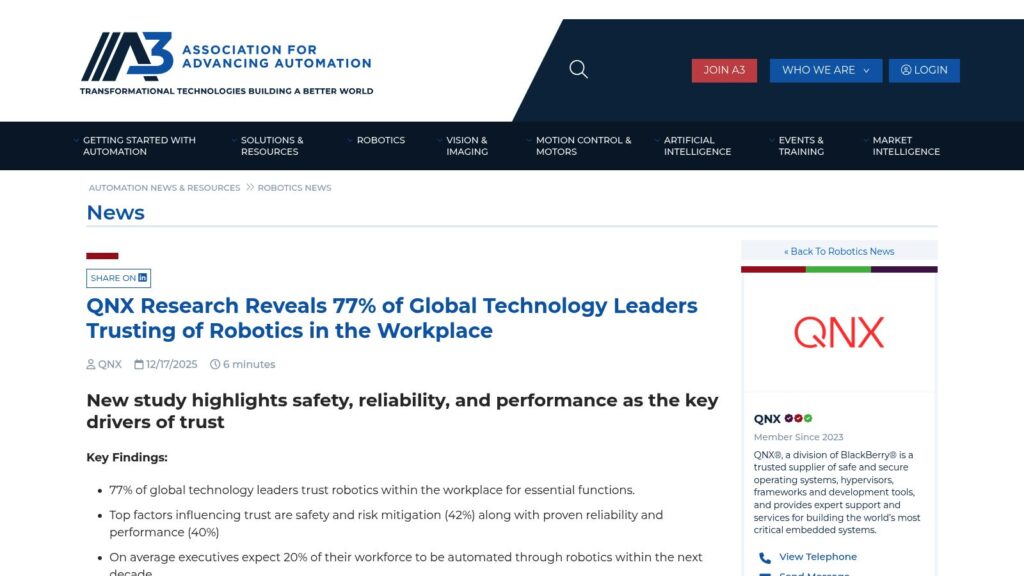
China is rapidly automating its economy to combat a shrinking workforce and rising wages, installing more robots than the rest of the world combined. This state-backed push aims to transform China’s manufacturing landscape, with significant ramifications for global trade and social stability. Increased automation, driven by government subsidies and advancements in AI, is reshaping job markets and raising concerns about unemployment among less skilled workers. As China strives for self-sufficiency and dominance in high-tech production, it faces potential trade tensions with Western nations reacting to its competitive edge. The societal impact of these changes, particularly for displaced workers, poses risks to internal stability as the country navigates this complex transition.

https://www.webpronews.com/the-iron-workforce-how-beijing-is-betting-its-economic-survival-on-the-worlds-most-aggressive-automation-drive/

The Silent Workforce: Why Unmanaged Bot Identities Are the Next Systemic Risk

Organizations increasingly use Robotic Process Automation Management (RPAM) to secure growing non-human identities (bots) that now outnumber humans 45 to 1, exposing critical security gaps. Bots often operate under high privileges with static credentials, creating vulnerabilities if compromised. RPAM provides dynamic credential management, enforcing least privilege, auditing, and compliance, helping prevent breaches and manage operational efficiency as automation scales. As regulations tighten, RPAM is essential for future-proofing automated workforces and safeguarding against systemic risks.

https://www.webpronews.com/the-silent-workforce-why-unmanaged-bot-identities-are-the-next-systemic-risk/

AI Should Advise

AI should advise, humans decide. AI excels in data analysis but lacks moral judgment and accountability. Real-world examples show risks in banking, healthcare, and autonomous driving highlight the necessity of human oversight. Ethical concerns include loss of dignity and perpetuation of injustice, leading to calls for regulatory frameworks emphasizing transparency and human involvement. Organizations must establish strict guidelines for AI use that maintain human authority, ensuring responsible AI deployment.

https://www.finextra.com/blogposting/30252/ai-should-advise—humans-should-decide

AI And Human Connection Lead Top 5 Work Trends For 2026

Key work trends for 2026 include widespread use of AI-driven skill tests in hiring, more emphasis on in-person workplace connections, and a strong focus on human skills that AI cannot replicate. As technical skill needs grow, companies are investing in internal training and new talent pipelines to address shortages. Employees are placing greater importance on organizational values and leadership integrity, significantly influencing their job choices and commitment.

https://www.forbes.com/sites/drsamanthamadhosingh/2025/11/28/ai-and-human-connection-lead-top-5-work-trends-for-2026/

Scroll to Top