culture

Beyond Change Fatigue: Turning Adaptability Into a Cultural Constant

The article argues that “change fatigue” is not caused by too much change itself, but by how change is implemented—often too large, vague, or poorly timed—leading to resistance and stress. It highlights the success of the “Change the World Tuesday” approach, which introduced frequent, predictable, and smaller changes to build a culture of adaptability, making change a normal, manageable part of work rather than a disruptive event. Leaders are encouraged to create regular change rhythms, break initiatives into smaller steps, communicate clearly, and foster an environment where experimentation and small failures are accepted to build organizational resilience.

https://www.staffingindustry.com/editorial/staffing-stream/beyond-change-fatigue-turning-adaptability-into-a-cultural-constant

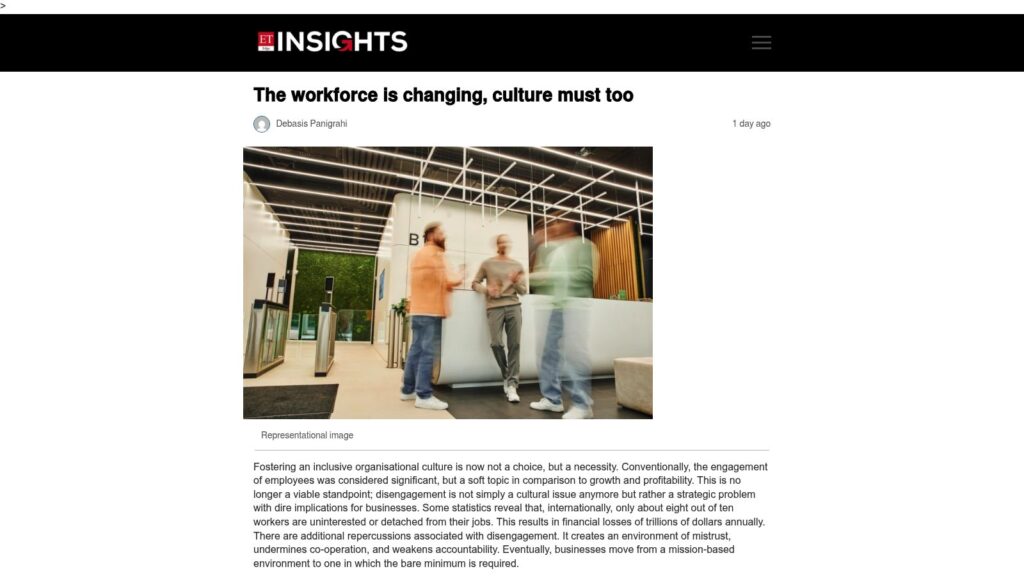
The Workforce Is Changing, Culture Must Too

The article emphasizes that fostering an inclusive organizational culture is essential as the workforce becomes more diverse across generations, backgrounds, and expectations. It highlights that inclusion drives employee engagement, which in turn improves productivity, retention, and overall business performance, especially critical in an evolving work environment shaped by AI, automation, and hybrid models.

https://etedge-insights.com/featured-insights/people-and-organizations/the-workforce-is-changing-culture-must-too/

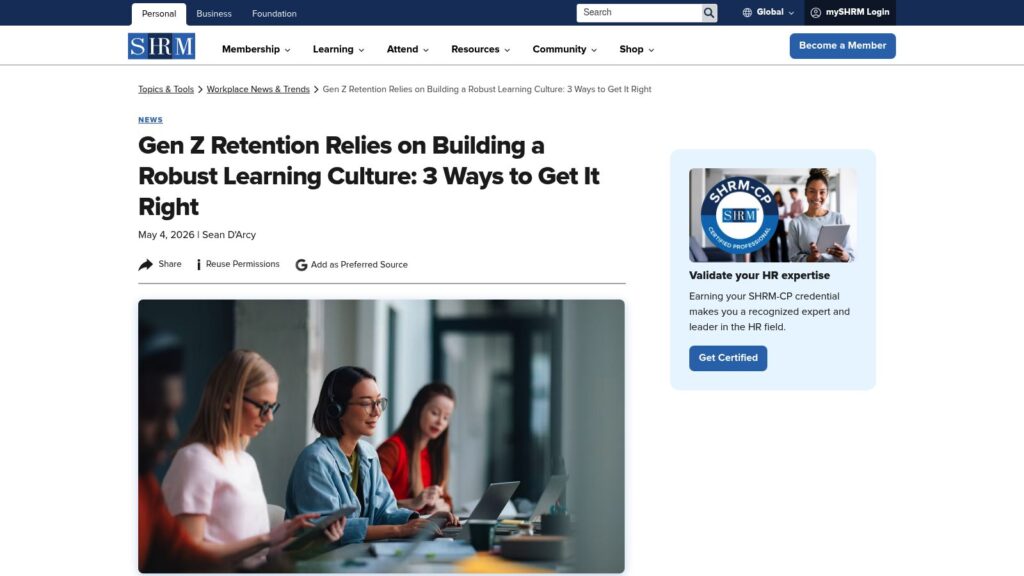
Gen Z Retention Relies on Building a Robust Learning Culture: 3 Ways to Get It Right

Gen Z employees value continuous learning opportunities and tend to stay only about 1.1 years at a job, often leaving when career growth feels limited. To improve retention, organizations should focus on effective onboarding that clearly maps out learning and growth paths, actively involve managers in new hire integration, and provide continuous feedback to build employee confidence. These strategies align with Gen Z’s expectations for development and can help reduce turnover within this group.

https://www.shrm.org/topics-tools/news/gen-z-retention-relies-on-building-robust-learning-culture

Remote Work Doesn’t Break Company Culture. Poor Measurement Does

Akamai Technologies demonstrates that remote work does not inherently damage company culture; rather, poor measurement does. By conducting regular culture diagnostics and defining clear productivity metrics, Akamai strategically measures and improves its culture in a remote-first environment, emphasizing leadership, clear expectations, and deliberate communication to sustain engagement and trust regardless of physical location.

https://hrexecutive.com/remote-work-doesnt-break-company-culture-poor-measurement-does/

Token Anxiety

In 2026, San Francisco’s social scene is dominated by people obsessed with their AI agents, who constantly monitor and optimize their performance. The pressure to innovate and stay ahead is intense, leading to a culture of constant productivity and a fear of falling behind. This obsession permeates daily life, blurring the lines between work and leisure, and leaving little room for relaxation or reflection.

https://writing.nikunjk.com/p/token-anxiety

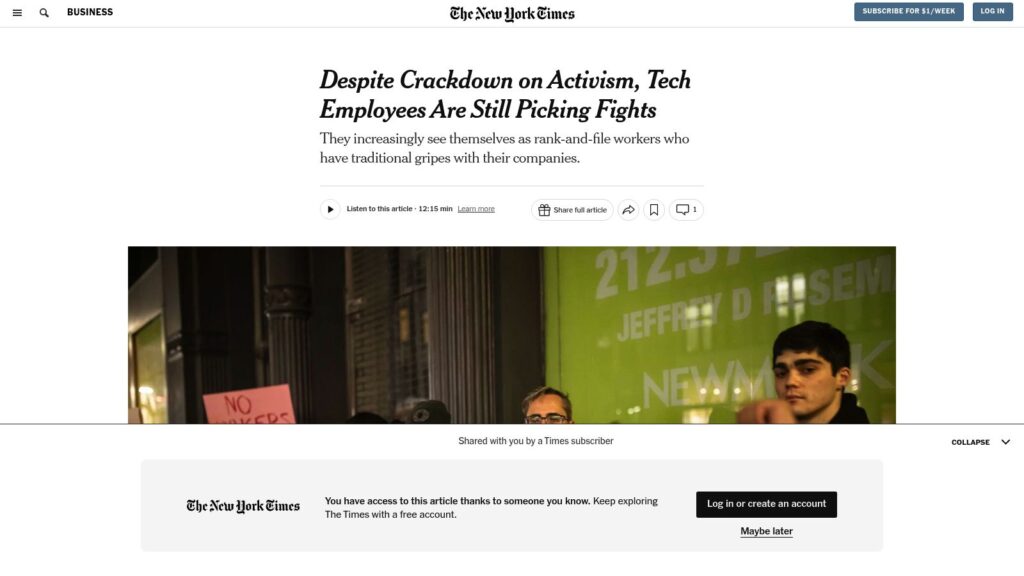
Despite Crackdown on Activism, Tech Employees Are Still Picking Fights

Tech employees are increasingly viewing themselves as traditional workers amid rising job insecurities, despite a crackdown on activism from companies like Google and Amazon. A notable union strike at Kickstarter led to a new minimum salary formula and the preservation of a four-day workweek. This reflects a shift in identity among tech workers, who are now more engaged in collective action as layoffs mount. The changing dynamics suggest a growing recognition of their role as vulnerable employees instead of privileged professionals.

https://www.nytimes.com/2025/12/26/business/tech-employees-activism-kickstarter.html?unlocked_article_code=1._k8.i1jm.–rmDV9g42A6

Scroll to Top