training

AI and the Ironies of Automation

AI automates work but introduces complexities, necessitating human oversight to prevent errors. Insights from Lisanne Bainbridge’s 1983 paper on automation reveal challenges like decision-making under stress and training needs for operators, highlighting the irony that successful systems require significant investment in human skill development. As AI becomes more advanced, reevaluating UI/UX for operator interfaces and proactive leadership for AI agents is crucial for effective supervision.

https://www.ufried.com/blog/ironies_of_ai_2/

“Empowering People and Building Digital Skills Are Essential for Accelerating the Adoption of AI and Robotics in the Workplace”

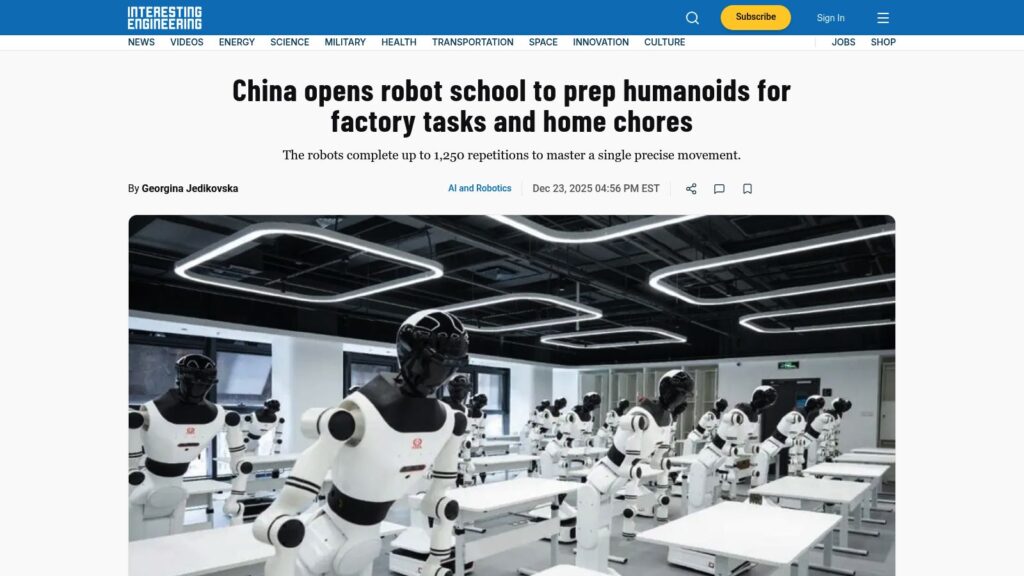
Empowering workforce and enhancing digital skills are crucial for advancing AI and robotics adoption in workplaces, as discussed at the Rockwell Automation Fair 2025. Key insights include the importance of skilled employees, intuitive human-machine interactions, and the integration of Autonomous Mobile Robots (AMRs) in manufacturing environments. Experts emphasized the need for safety measures and thoughtful factory designs to harmonize human-robot collaboration. AI-driven automation and machine learning are transforming operational efficiency. Effective coordination of robots within existing operations is essential for realizing the full potential of robotics technologies.

https://emag.directindustry.com/2025/12/18/rockwell-automation-ai-robotics-workplace-amr/

Introducing Cybersecurity to the Most Connected Generation

MITRE introduces cybersecurity concepts to younger audiences using the ATT&CK framework, aiming to raise awareness about online threats. Experts present at schools, emphasizing the importance of understanding adversary tactics for personal and professional safety. Hands-on sessions help demystify cybersecurity, highlight the sophistication of online threats, and encourage interest in the field. ATT&CK serves as a valuable resource for both novices and professionals, fostering communication and knowledge sharing in cybersecurity.

https://www.mitre.org/news-insights/impact-story/introducing-cybersecurity-most-connected-generation

How to Build Forward-thinking Cybersecurity Teams for Tomorrow

Microsoft’s security strategy emphasizes the need for adaptive, innovative teams in the evolving landscape of AI-powered cyber threats. Traditional cybersecurity roles must evolve beyond technical expertise to include critical thinking and diverse skill sets. Organizations should rethink recruitment practices, onboarding processes, and continuous training to build resilient teams equipped to tackle sophisticated threats. Emphasizing cognitive diversity and collaboration will enhance defenses against AI-driven attacks, as the next major cyber breach could stem from inadequate talent adaptation to this new era. Future-proofing cybersecurity talent is crucial for organizational success.

https://www.microsoft.com/en-us/security/blog/2025/12/02/how-to-build-forward-thinking-cybersecurity-teams-for-tomorrow/

Retraining Workers for the Age of AI

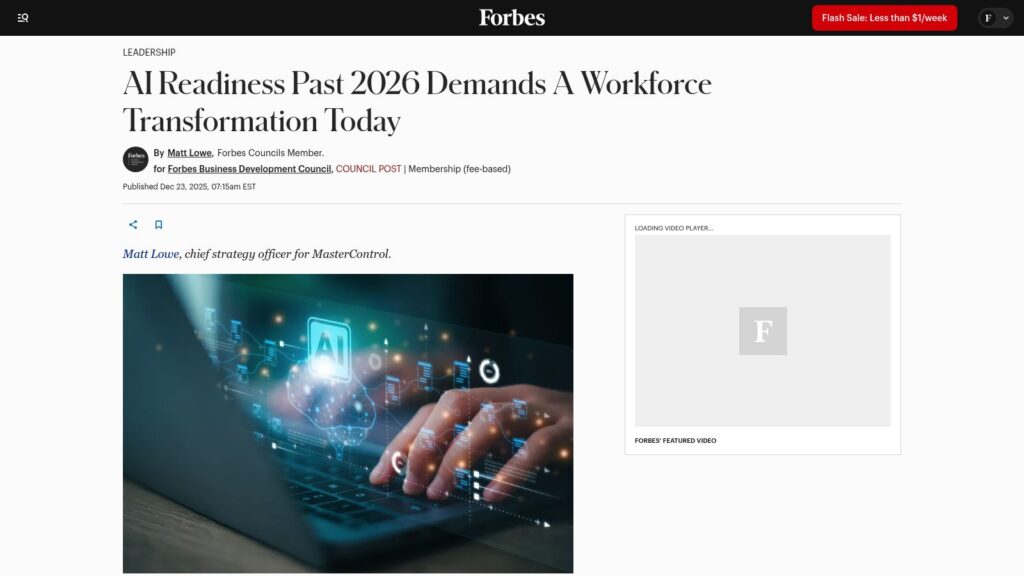
AI tool usage among workers is rising sharply, leading to workplace stress and pressure to adapt. The U.S. lacks sufficient funding for workforce development to retrain displaced workers due to technology changes, which affects long-term outcomes for individuals and communities. Training must target new “frontier” jobs, evolving “retooled” roles, and support for “legacy” jobs while considering the aging workforce. AI can enhance learning opportunities, but individual support is vital, especially for those in the gig economy. Lastly, increased awareness of job vulnerability due to AI may foster empathy for affected workers.

https://www.nationalacademies.org/news/retraining-workers-for-the-age-of-ai

Scroll to Top