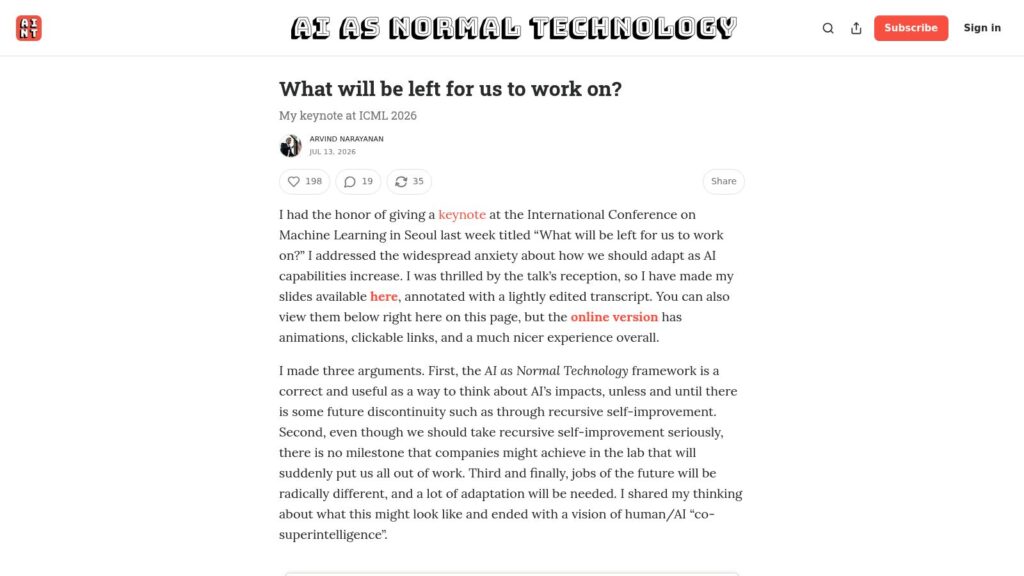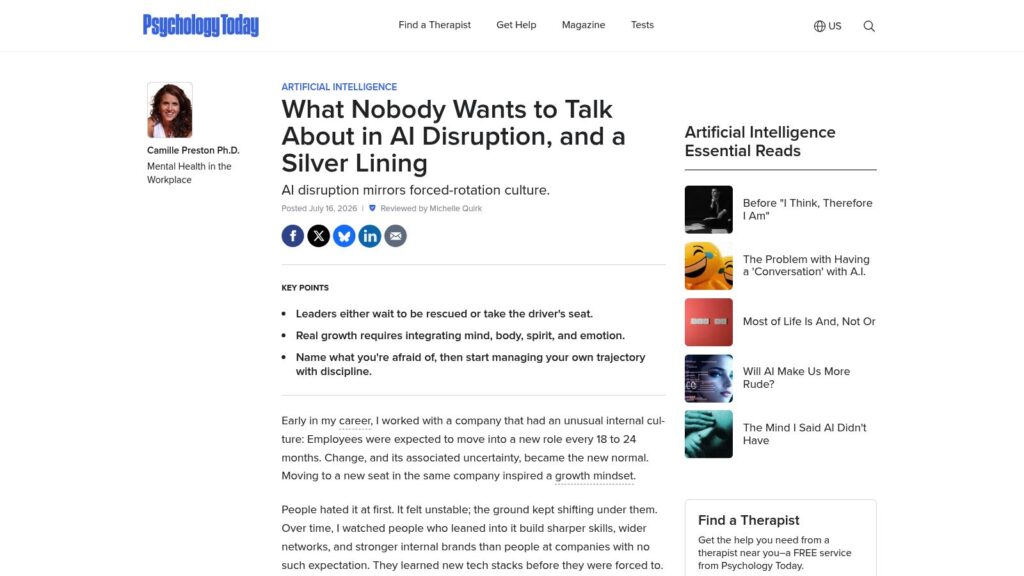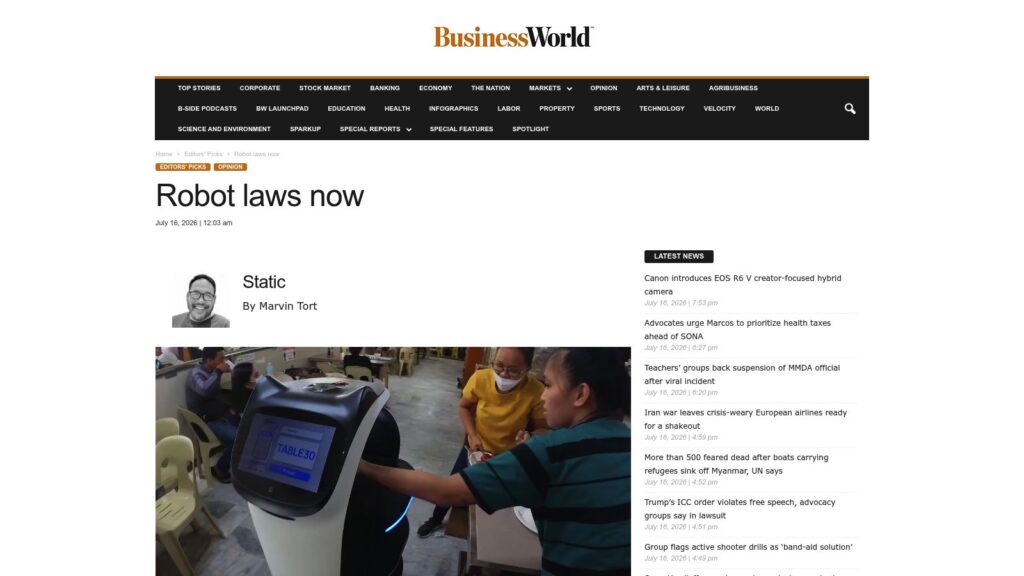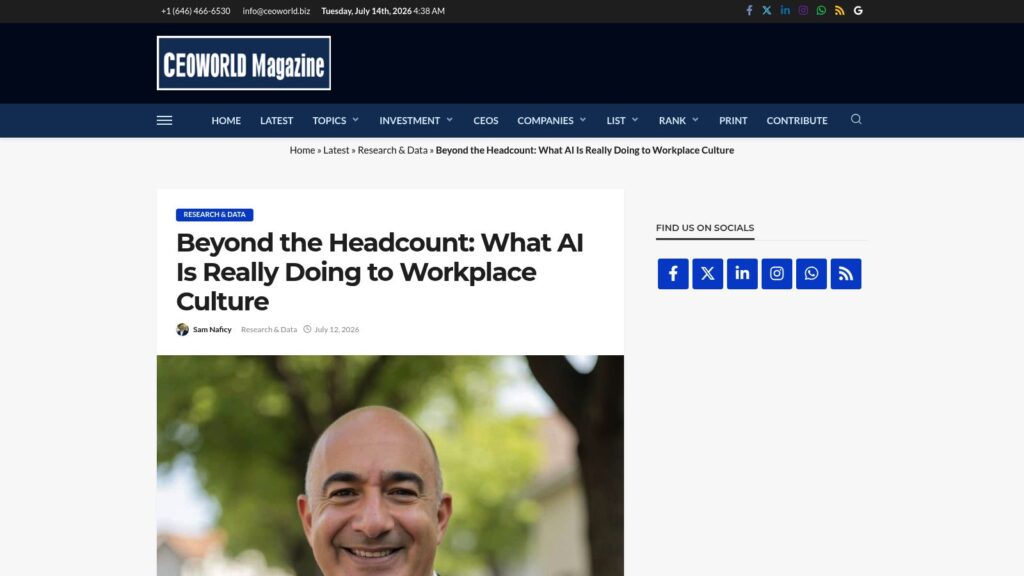
Push to Replace Workers With AI Faces Backlash — Even From Management

Survey shows employees, including managers, prefer human collaboration over AI, citing limitations in AI’s creativity and judgment. Many believe replacing workers with AI leads to legal risk and disrupts talent pipelines. Despite claims of AI-driven job displacement, experts suggest a cautious approach emphasizing human roles alongside AI innovations.

https://www.cio.com/article/4138743/push-to-replace-workers-with-ai-faces-backlash-even-from-management.html

Current and Former Block Workers Say AI Can’t Do Their Jobs After Jack Dorsey’s Mass Layoffs: ‘You Can’t Really AI That’

Block CEO Jack Dorsey laid off 4,000 employees, claiming AI productivity justified the cuts. Workers argue AI can’t replace critical aspects of their roles, expressing skepticism about AI’s capabilities and frustrations over being required to develop tools that could replace them. There’s a growing sentiment of job insecurity and dissatisfaction among remaining employees, fearing increased workloads and customer dissatisfaction with AI-driven support. Overall, many believe current AI tools can’t fully substitute human expertise in the company’s operations.

https://www.theguardian.com/technology/2026/mar/08/block-ai-layoffs-jack-dorsey

Humanoid Robots Roll Into Work, Raising New Questions for HR

Humanoid robots are entering workplaces, prompting HR concerns about employee impacts. Companies like Toyota and Canadian Tire are testing robots to reduce physical labor and allow staff to focus on higher-value tasks. Researchers emphasize the importance of transparency, worker consultation, and proper integration metrics to ensure technology enhances job satisfaction. However, potential issues include job insecurity, diminished social interaction, and the need for clear policies on interactions with robots. The success of these implementations hinges on effective communication between management and staff regarding the goals and impacts of automation.

https://www.hrreporter.com/focus-areas/culture-and-engagement/humanoid-robots-roll-into-work-raising-new-questions-for-hr/394146

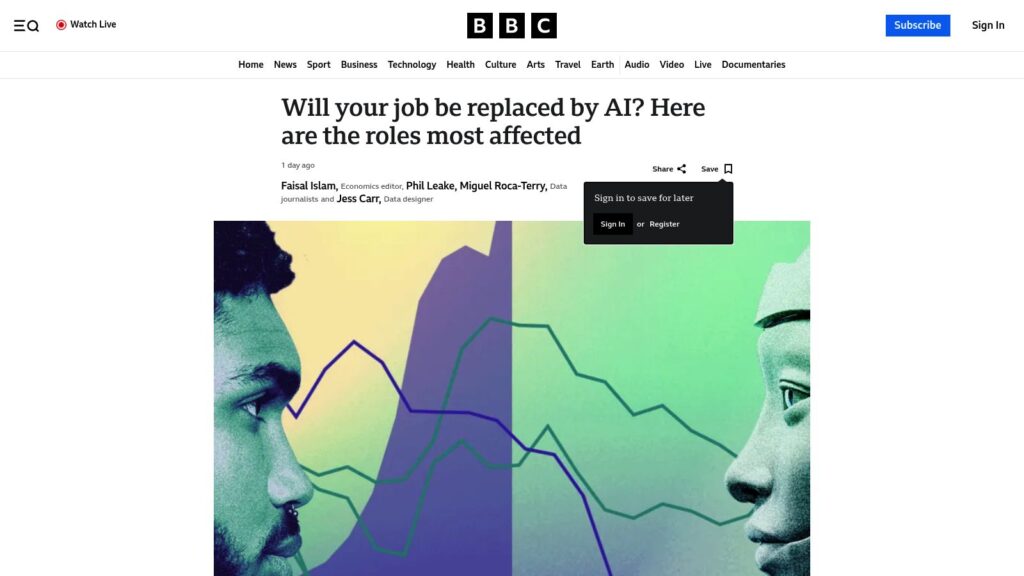
AI Not All ‘Doom and Gloom’ for Graduates, Say Businesses

AI impacts job hunting for graduates, raising barriers yet creating opportunities. Analysts assert it’s not entirely negative; graduates’ AI skills may lead to future demand. Youth unemployment is high, with many feeling automated screenings diminish personal connections in applications. Some startups are innovating to help applicants stand out. Despite job cuts in AI-exposed sectors, demand for AI-savvy graduates is growing. Skills management around AI use is becoming crucial, hinting at a potential reversal in current job market challenges.

https://www.bbc.com/news/articles/cvg33nwy9llo

‘The Workforce Needs to Embrace AI’: Why Humans Are Critical to the Future of AI-integrated Work

EY’s Global Managing Partner, Jad Shimaly, emphasizes the importance of human involvement in AI integration. He highlights the need for training, collaboration, and clear frameworks to ensure employees embrace AI and its benefits. Shimaly also stresses the importance of responsible AI practices, including defining standards, communicating them, and maintaining ongoing oversight.

https://www.euronews.com/next/2026/03/05/the-workforce-needs-to-embrace-ai-why-humans-are-critical-to-the-future-of-ai-integrated-w

Why Developers Using AI Are Working Longer Hours

AI in coding is increasing software development speed but leading to longer hours and more post-release fixes. While AI tools enhance productivity, they also raise “software delivery instability,” resulting in more rollbacks and patches. Developers still need to verify AI-generated code, and reliance on AI may hinder skill development, especially among less experienced programmers. AI adoption may intensify workplace pressure, contributing to burnout. Overall, effective management of AI’s impact is crucial to maintain workforce well-being and professional growth.

https://www.scientificamerican.com/article/why-developers-using-ai-are-working-longer-hours/

How AI Is Already Reshaping Working Conditions

AI is transforming work conditions, impacting delivery couriers and content moderators significantly. Experts at a recent UN webinar emphasized the need for ethical AI use to ensure workers’ rights and safety. Key concerns include mental health risks and algorithmic pressures leading to unsafe practices. Initiatives are underway to shape AI’s impact through global alliances promoting fair work standards and human oversight. The focus is on leveraging technology to enhance, not undermine, workers’ welfare while addressing the challenges posed by automation.

https://news.un.org/en/story/2026/03/1167075

Staff Journalists Sacked and Misleadingly Replaced With AI Writers

AI writers replace fired human journalists at gaming sites, sparking outrage. Clickout Media, now owning The Escapist, Videogamer, and Esports Insider, has replaced staff with misleading AI-generated content, including fake profiles. Metacritic removed an AI-generated game review amid concerns over quality and authenticity. This trend highlights a widening issue in media where AI is favored for cost efficiency, causing distress in the gaming journalism community.

https://pressgazette.co.uk/news/staff-journalists-sacked-and-misleadingly-replaced-with-ai-writers/

Block & Tackle: Job Cuts & the AI Narrative

Jack Dorsey, CEO of Block, announced layoffs of 4,200 employees, over 40% of the workforce, while framing it as an AI-driven transition. However, this contrasts with the company’s operational inefficiencies and over-hiring, particularly during COVID. Wall Street reacted positively to the layoffs, ignoring deeper management issues that AI cannot resolve. The memo’s narrative suggests that AI is transforming work, yet it masks problems stemming from past decisions and poor management practices. Block’s inefficiency, highlighted by lower per-employee operating income compared to peers, emphasizes that AI won’t fix fundamental issues. These layoffs reflect a broader trend in Silicon Valley where companies blame technology for management failures.

https://om.co/2026/02/28/block-tackle-job-cuts-the-ai-narrative/

Why Companies Need to Develop an AI-Ready Workforce

AI deployment is hindered by a shortage of qualified talent, necessitating companies to develop an AI-ready workforce. A blended strategy combining hiring skilled professionals and upskilling existing employees is crucial. Demand for AI roles has surged, with significant skills mismatches impeding progress. Companies must invest in infrastructure, data quality, and strategic alignment to achieve AI readiness. Delays in AI projects can lead to competitive disadvantages, making proactive workforce development essential for sustainable AI integration. Collaborations with educational institutions and internal training programs are vital for addressing the talent gap.

https://huntscanlon.com/why-companies-need-to-develop-an-ai-ready-workforce/

Scroll to Top